

How Often To Pump Septic Tank? (Family Of 4 Guide)
If you have a septic tank, sooner or later you’ll ask the same question almost every homeowner asks: “How often am I supposed to pump this thing?”
For a family of 4, the average septic tank pumping schedule usually lands somewhere between every 3 to 5 years.
That said, there’s no perfect one-size-fits-all answer. Tank size, water use, garbage disposal habits, and even how long your showers are can change the timeline quite a bit.
The good news is that staying on top of septic maintenance is pretty simple once you know what to watch for.
In this post, we’ll explain how often families of four should pump their septic tank.
How Often Should A Family Of 4 Pump A Septic Tank?
Most families of 4 should pump their septic tank every 3 to 5 years. That’s the standard recommendation for an average-sized household using a typical residential septic system.
That said, it depends on your tank.
A smaller 1,000-gallon tank fills up faster than a larger 1,500-gallon tank.
If your home has a smaller system and everyone in the house takes long showers, does tons of laundry, or uses a garbage disposal regularly, you may need pumping closer to every 2 to 3 years.
On the other hand, families that conserve water and avoid sending unnecessary waste into the system can sometimes stretch it a little longer.
Here’s a quick breakdown most homeowners can follow:
- 1,000-gallon tank: around every 3 years
- 1,250-gallon tank: around every 4 years
- 1,500-gallon tank: around every 5 years
If you recently bought a house and have no clue when the tank was last pumped, it’s smart to schedule an inspection first.
Also Read: How Do You Know If You Have A Septic Tank?
That gives you a fresh starting point and helps prevent surprises later.

Signs Your Septic Tank Needs Pumping Sooner
Sometimes a septic tank starts filling up faster than expected. Even if you think you’re still within the normal pumping schedule, your system may already be trying to wave a red flag.
Here are some common signs your septic tank may need pumping sooner:
- Slow sinks, tubs, and toilets
- Gurgling plumbing noises
- Sewage smells indoors or outdoors
- Wet patches near the drain field
- Toilets backing up unexpectedly
One of the first things people notice is slow drains.
Gurgling sounds are another clue. If your toilet burps or your pipes make weird noises after flushing, your tank could be getting too full.
Bad smells are also hard to ignore.
Septic odors inside the house or near the drain field often mean the system isn’t processing waste properly anymore. And if you spot soggy patches in the yard around the drain field, especially during dry weather, that can point to an overloaded tank.
What Happens If You Wait Too Long To Pump A Septic Tank?
This is the part most homeowners learn the hard way.
Inside your septic tank, solid waste settles at the bottom while liquids flow out into the drain field. Over time, those solids build up.
If the tank doesn’t get pumped, eventually there’s no room left for new waste.
Once that happens, sludge can move into the drain field and clog the entire system. That’s when problems go from annoying to brutally expensive.
Also Read: Septic Tank Not Pumped For 25 Years
At first, you might notice minor backups or slow drains. Then suddenly toilets overflow, sinks stop draining, and wastewater starts showing up where it absolutely should not be.
Some homeowners even end up with sewage backing into showers or bathtubs.
Not exactly the kind of surprise anyone wants during a normal weekday.
The drain field is the real concern, though. Replacing a failed drain field can cost thousands, sometimes tens of thousands of dollars depending on the property and system size.
A neglected septic system can also shorten the overall lifespan of the entire setup.
Average Cost To Pump A Septic Tank For A Family Of 4
For most homeowners, septic tank pumping usually costs somewhere between $300 and $700.
The final price depends on your location, tank size, accessibility, and how full the tank is when the company arrives.
Smaller tanks are generally cheaper to pump. Larger tanks take more time and disposal capacity, so the price goes up a bit. If the tank hasn’t been serviced in a very long time and there’s excessive buildup, some companies may charge extra for additional work.
Emergency calls also tend to cost more. If sewage is backing up into the home and you need same-day service, expect a higher bill.
Still, compared to major septic repairs, routine pumping is relatively inexpensive.
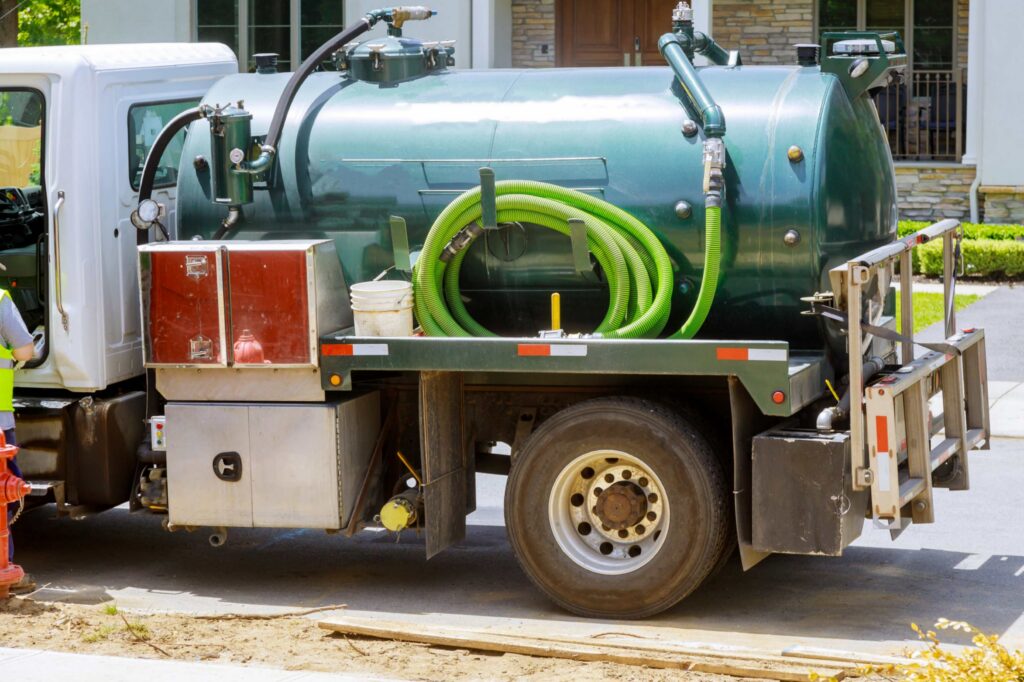
Also Read: How Much Does A Septic Design Cost?
Can You Pump A Septic Tank Too Often?
Technically, yes, but it’s mostly a money issue rather than a damage issue.
Pumping a septic tank early usually won’t hurt the system.
The main downside is simply paying for service you didn’t really need yet.
Septic tanks work best when they maintain healthy bacterial activity inside, and normal pumping schedules already account for that.
Some homeowners get nervous and pump the tank every year just to be safe. In most cases, that’s overkill for a family of 4 unless the tank is unusually small or the household produces very heavy wastewater usage.
A better approach is regular inspections combined with a reasonable pumping schedule. That keeps the system healthy without wasting money on unnecessary service calls.
How To Make Your Septic Tank Last Longer
The good news is you don’t need to obsess over your septic system every day.
If everyone in the house showers back-to-back, runs multiple laundry loads daily, and constantly uses the dishwasher, your tank handles a huge amount of wastewater.
Spacing out water-heavy activities helps reduce strain on the system.
It’s also important to be careful about what goes down the drain. Septic systems are designed for human waste and toilet paper. That’s about it.
Wipes, paper towels, grease, feminine products, and harsh chemicals can all create problems over time.
Here are a few easy ways to help your septic tank last longer:
- Fix leaking toilets and faucets quickly
- Spread laundry loads throughout the week
- Avoid pouring grease down drains
- Skip “flushable” wipes entirely
- Schedule inspections every few years
Garbage disposals can also speed up tank buildup because they add extra solid waste into the system. If your family uses one heavily, you may need more frequent pumping.
And honestly, keeping maintenance records is underrated. Knowing the last pump date saves a lot of guessing later.
Bottom Line
A family of 4 should usually pump a septic tank every 3 to 5 years, depending on the tank size and how much water the household uses.
Smaller tanks and heavier usage typically mean more frequent pumping.
The biggest mistake homeowners make is waiting until something goes wrong. Slow drains, sewage smells, and soggy yards are signs the tank may already be overdue for service.
Staying ahead of maintenance keeps the system working properly and helps you avoid massive repair bills later.
Your Service Experts

Virginia Septic is a full-service septic company. We do pump outs, inspections, operations and maintenance, repairs, modifications, and full septic system installations. Virginia Septic has been proudly serving the Virginia area since 2010 and is excited to now be serving all of mid-Atlantic Virginia.
Popular Articles


