

Septic Tank Not Pumped For 25 Years (Can It Still Be Saved?)
If a septic tank hasn’t been pumped in 25 years, it’s not just overdue… it’s way past the point where things could start going wrong.
And the issue is that a lot of systems keep “working” just enough that homeowners don’t realize there’s a problem until something messy (and expensive) happens.
Septic systems are pretty low-maintenance, but they’re not no-maintenance.
Over time, waste builds up inside the tank, and if it’s never removed, it has nowhere to go.
That’s when issues start creeping in, slow at first, then all at once.
In this post, we’ll explain what happens when a septic tank is not pumped for 25 years, what’s actually going on and what you should do next.
What Happens If A Septic Tank Isn’t Pumped For 25 Years
A septic tank works by separating waste into layers.
The heavy stuff sinks to the bottom (sludge), oils and grease float to the top (scum), and the liquid in the middle flows out into the drain field.
That system only works if there’s enough space in the tank to keep those layers separate.
Now imagine 25 years of buildup.
The sludge layer gets thicker and thicker. The scum layer does the same. Eventually, that middle liquid layer gets squeezed down to almost nothing.
At that point, the tank can’t do its job anymore.
Instead of partially treated water flowing out, solids start sneaking into the drain field. And that’s where things really start to go downhill. Drain fields are designed for liquids – not chunks of waste, so once solids clog those lines, they don’t recover easily.
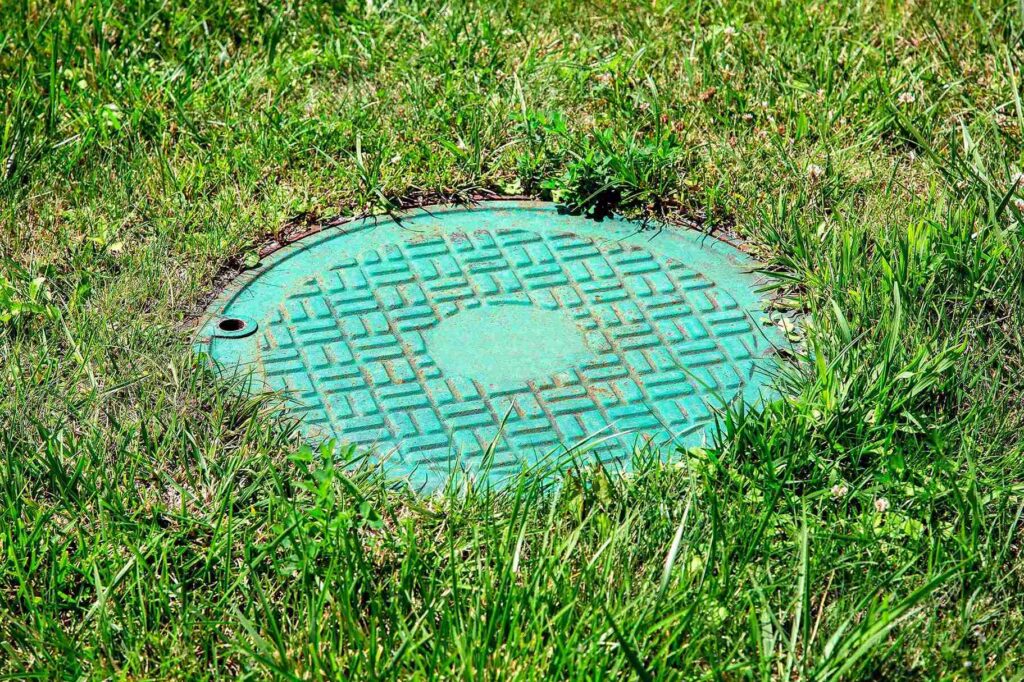
Also Read: How Do You Know If You Have A Septic Tank?
So even if everything seems “fine” on the surface, there’s a good chance the system has been under serious stress for a long time.
Why This Is A SERIOUS Problem
This isn’t just about a dirty tank. Your entire septic system is being pushed beyond its limits.
When a tank is overloaded like this, pressure builds in places it shouldn’t. Waste can start backing up into the house, which is exactly as unpleasant as it sounds.
No one wants sewage coming up through their drains or toilets.
There’s also the environmental side of things. An overfilled septic system can leak untreated wastewater into the soil.
That can contaminate groundwater and create health risks, especially if you rely on well water.
Then there’s the drain field. Once it gets clogged with solids, it can stop absorbing water properly. Repairs for that aren’t small jobs and they can involve digging up large sections of your yard and replacing parts of the system entirely.
So yeah, it’s not just a “maintenance issue.”
It’s something that can turn into a major repair bill if ignored.
Also Read: Is Angel Soft Septic Safe?
Common Warning Signs To Watch For
Sometimes the system gives you hints before things get really bad. Other times, it stays quiet and then suddenly fails.
Still, here are a few signs that tend to show up:
- Drains in your home are moving slower than usual
- Toilets make gurgling sounds or back up
- There’s a strong sewage smell inside or outside
- Patches of your yard feel soggy or look constantly wet
- Grass over the septic area looks unusually green or grows faster
Even one or two of these can mean trouble.
What To Do If Your Septic Tank Hasn’t Been Pumped In Decades
At this point you’d want to stop things from getting worse and figure out the current condition of the system. You don’t need to panic, but you do need to move fast and be smart about it.
Here’s what we recommend:
#1 Call A Septic Pro For A Full Inspection
Your first step should be getting a professional out to take a look. They’ll check the tank levels, inspect the baffles, and evaluate the drain field.
This gives you a clear picture of how much damage (if any) has already been done.
Trying to guess the condition on your own can lead to bad decisions, so this step really matters.
So go ahead and give a septic company a call ASAP.
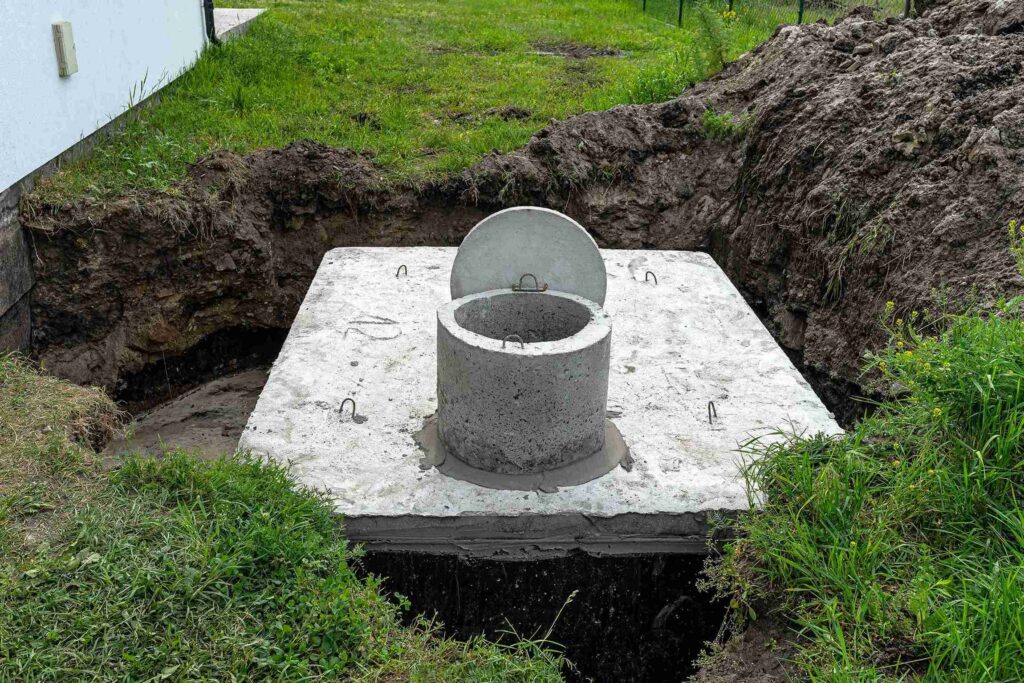
#2 Schedule A Pump Immediately
Once the inspection confirms what’s going on (and it almost certainly will) you’ll need a pump-out right away.
In a case like this, the tank is likely packed, so removing that built-up sludge and scum is critical.
Sometimes one pump is enough. In more extreme cases, the pro might recommend multiple pump-outs spaced over time to avoid shocking the system.
#3 Limit Water Usage Until The System Is Checked
While you’re waiting for service (and even right after), it’s smart to cut back on water use.
Every gallon you send down the drain adds pressure to an already stressed system.
Keep things simple for a bit – shorter showers, fewer loads of laundry, and avoid running multiple water-heavy appliances at the same time.
It’s a temporary adjustment that can help prevent a backup.
Also Read: Is Scott Toilet Paper Septic Safe?
Can Pumping Alone Fix The Problem?
This is the big question most people have.
In some cases, yes, a thorough pump-out can bring the system back to life. If the drain field hasn’t been damaged and the tank components are still in good shape, you might get lucky.
But if solids have been flowing into the drain field for years, pumping the tank won’t magically fix that. The field may still struggle to absorb water, which can lead to ongoing issues like soggy ground or slow drainage.
That’s why the inspection is so important.
It helps you understand if you’re dealing with a simple reset or something more involved.
Potential Costs You Might Be Facing
Costs can vary a lot here, mainly depending on how much damage has already been done.
A basic pump-out is usually the cheapest part of the process, but things can climb if repairs are needed:
- Standard pump-out service
- Additional pump-outs for heavy buildup
- Inspection and diagnostic fees
- Drain field repairs or full replacement
Waiting this long almost always costs more than regular maintenance would have. A simple pump every few years is far cheaper than fixing a failed system.
Bottom Line
If a septic tank isn’t pumped for 25 years, sludge and scum build up to the point where the tank can no longer separate waste properly. As the tank fills, solids begin to escape into the drain field, which can clog the system and reduce its ability to drain wastewater.
The good news is you still have control over what happens next.
Acting quickly and scheduling a pump can change how serious the outcome is.
Best case, you catch it just in time and get things back on track. Worst case, you’re dealing with repairs, but at least you’re stopping the damage from getting even worse.
Either way, this is one of those situations where doing something now beats waiting another month and hoping for the best.
Your Service Experts

Virginia Septic is a full-service septic company. We do pump outs, inspections, operations and maintenance, repairs, modifications, and full septic system installations. Virginia Septic has been proudly serving the Virginia area since 2010 and is excited to now be serving all of mid-Atlantic Virginia.
Popular Articles


