

Septic Drain Field Cleaning Guide
A healthy septic system depends on more than just the tank.
Your drain field does a lot of the heavy lifting by filtering wastewater safely back into the soil, and if it starts having problems, the entire system can feel the impact.
Slow drains, soggy spots in the yard, and unpleasant odors are all signs that something needs attention.
The good news is that drain fields usually don’t need “cleaning” in the traditional sense.
Most of the work involves preventing clogs, reducing stress on the system, and fixing small issues before they become expensive repairs.
In this guide, we’ll cover the best ways to maintain and clean a septic drain field, the warning signs to watch for, and a few common mistakes you’ll want to avoid.
1. Pump The Septic Tank First
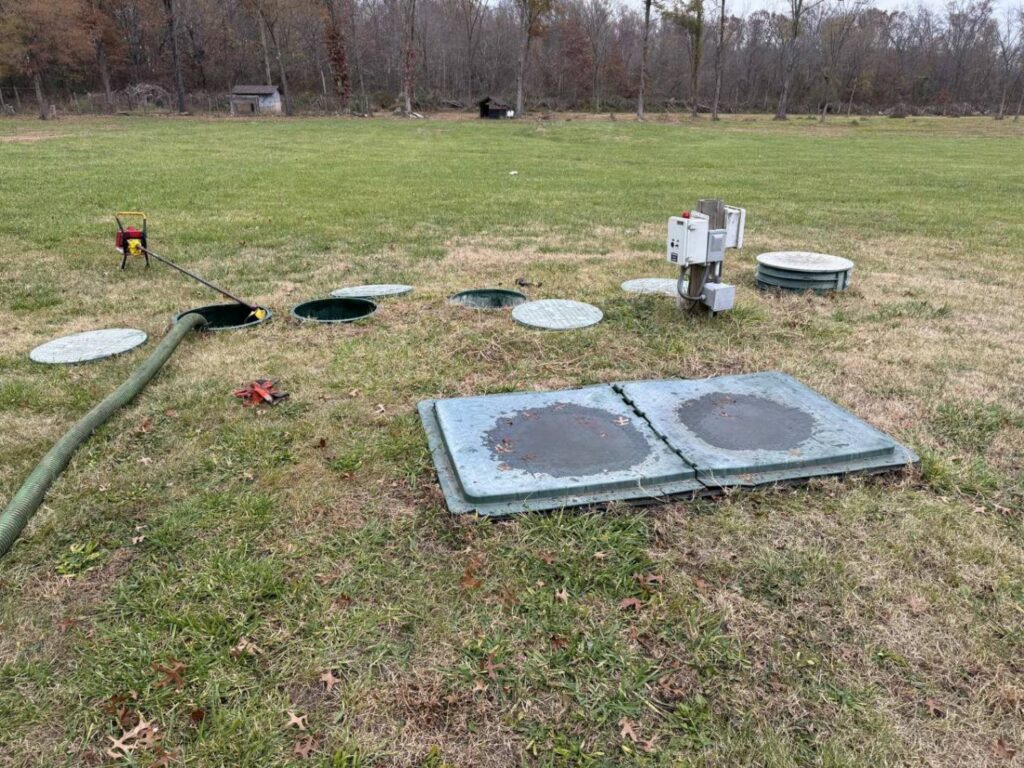
Before doing anything with the drain field, make sure your septic tank is in good shape.
A full tank can send excess solids into the drain field, and that’s one of the biggest reasons drain fields start clogging.
Pumping the septic tank removes the accumulated sludge and scum before they have a chance to escape into the drain lines. Once solids reach the drain field, they’re much harder to deal with and can shorten the life of the entire system.
Keep in mind that pumping the tank doesn’t actually clean the drain field itself.
It simply removes one of the biggest causes of future drain field problems and gives the entire system a fresh start.
Also Read: Septic Tank Not Pumped For 25 Years
2. Reduce Water Usage
Once the tank is empty, you need to give your drain field some serious breathing room to dry out and recover.
When you run three loads of laundry, a dishwasher, and take a massive hour-long shower all in the same morning, you are straight-up drowning the soil out there.
The ground can only absorb water so fast, and an overworked system is going to back up.
Try spacing out your chores throughout the week. Wash one load of clothes a day instead of saving it all for an epic Sunday laundry marathon.
Fix those annoying little leaky faucets that you’ve been ignoring for months, and maybe consider upgrading to low-flow showerheads.
Giving the soil a break lets it naturally absorb the standing water and catch its breath.
3. Flush The Drain Field (Professional Service)
Now, if things are seriously clogged up inside the pipes themselves, you might need to bring in the big guns for a professional flush.
Pros use a technique called hydro-jetting.
This is basically a super-powered pressure washer for the inside of your underground pipes. They slide a special hose down into the lines, and high-pressure water blasts away years of built-up gunk, slime, and rogue tree roots.
It is an incredibly effective way to clear out blockages, but you definitely don’t want to attempt a DIY version of this with a regular garden hose.
If the pressure isn’t dialed in perfectly, you can actually crack the underground pipes or collapse the soil around them.
Also Read: Is Angel Soft Septic Safe?
4. Use Biological Treatments
Your septic system is actually a living ecosystem powered by billions of tiny, hungry bacteria that eat away at waste.
Sometimes, because we use a lot of harsh chemical cleaners or antibacterial soaps, we accidentally wipe out that helpful colony of bugs.
Adding a high-quality biological treatment introduces fresh, aggressive enzymes and bacteria directly into the lines.
They travel down into the drain field and start munching on organic waste leftovers.
Just make sure you pick a natural, enzyme-based product rather than a harsh chemical drain cleaner. Strong chemical treatments will actually kill off the good bacteria and ruin the underground pipes over time.
5. Improve Soil Aeration
The soil under your grass needs to breathe to do its job properly.
Over time, heavy lawnmowers, parked cars, or even just decades of foot traffic can pack the dirt down until it’s as hard as concrete. When soil gets compacted, water cannot sink down through it, and oxygen cannot get in to help the good bacteria thrive.
You can fix this by renting a lawn aerator, which punches hundreds of tiny holes into the dirt to let air and water circulate.
For deeper issues, some professionals use a cool process that injects pressurized air directly into the ground to fracture the compacted soil layers.
Just remember to keep vehicles and heavy equipment off your drain field forever to prevent the dirt from packing down again.
6. Address Biomat Buildup
A biomat is a naturally occurring layer of bacteria and organic material that forms where wastewater enters the surrounding soil.
Every septic system develops one, and a thin biomat is completely normal.
Problems begin when the biomat becomes too thick. As it grows, wastewater can’t move through the soil as easily, causing slow drainage and saturated ground.
A severe biomat problem usually requires professional evaluation.
Depending on the condition of the drain field, a contractor may recommend biological treatments, resting portions of the drain field, improving drainage conditions, or, in more serious situations, replacing the drain field altogether.
Also Read: Septic Tank Smells In Bathroom
Signs Your Septic Drain Field May Need Cleaning
Your septic system usually gives you a few warning signs before a major failure happens.
Here are the most common signs we see:
- Slow-draining sinks, showers, and tubs throughout the home.
- Sewage odors around the drain field or near outdoor vents.
- Wet, soggy, or unusually green patches of grass above the drain field.
- Gurgling sounds coming from your plumbing fixtures.
- Sewage backing up into toilets, sinks, or floor drains.
Some of these issues can also point to septic tank problems or plumbing blockages, so a professional inspection can help pinpoint the exact cause.
Can You Clean a Drain Field Yourself?
There are definitely parts of drain field maintenance you can handle on your own.
But actual septic drain field cleaning is another story.
Cleaning clogged drain pipes requires specialized equipment, and diagnosing problems below the surface isn’t something most homeowners can do accurately without experience.
Digging in the wrong place or using improper cleaning methods can damage the system and lead to expensive repairs.
If your drain field has standing water, persistent odors, or sewage backups, calling a septic professional is usually the smartest move. An inspection can identify the real problem before unnecessary repairs are made.
Things To Avoid
Good habits go a long way toward extending the life of your drain field. Some common mistakes can shorten its lifespan much faster than people realize.
Avoid these whenever possible:
- Parking vehicles or placing heavy equipment on the drain field.
- Pouring grease, cooking oil, or fat down kitchen drains.
- Flushing wipes, paper towels, diapers, or other non-biodegradable items.
- Using excessive amounts of bleach, antibacterial cleaners, or harsh chemicals.
- Planting large trees with aggressive root systems near the drain field.
- Directing roof runoff or sump pump discharge into the drain field area.
Final Thoughts
A septic drain field doesn’t ask for much attention, but the maintenance it does need is worth every bit of effort.
Regular septic tank pumping, smart water use, healthy soil conditions, and keeping harmful materials out of your system all work together to keep the drain field functioning well.
If you notice warning signs like standing water, slow drains, or sewage odors, don’t ignore them. Small problems are almost always easier and less expensive to fix than a completely failed drain field.
Your Service Experts

Virginia Septic is a full-service septic company. We do pump outs, inspections, operations and maintenance, repairs, modifications, and full septic system installations. Virginia Septic has been proudly serving the Virginia area since 2010 and is excited to now be serving all of mid-Atlantic Virginia.
Popular Articles


