

Septic Tank Smells In Bathroom? (Here’s Why)
Walking into your bathroom and getting hit with a septic or sewer smell is never a great start to the day. It’s one of those things that makes you think something serious is going on.
The good news is that most of the time, the cause is something small and pretty easy to fix.
Sometimes the issue is as simple as a drain that hasn’t been used in a while!
In this post, we’ll go over the most common reasons a septic tank smell in bathrooms and what might be going on behind the scenes.
#1. Dry P-Trap
This is probably the most common reason for the septic tank smell in bathroom.
Every sink, tub, shower, and floor drain has a curved section of pipe called a P-trap. That bend in the pipe holds a small amount of water at all times. The water acts like a barrier that blocks sewer gases from coming back up through the drain.
When that water dries out, the barrier disappears.
At that point, smells from the septic system can travel straight into the room.
This usually happens in drains that don’t get used very often. Guest bathrooms, basement showers, and floor drains are common spots for this issue.
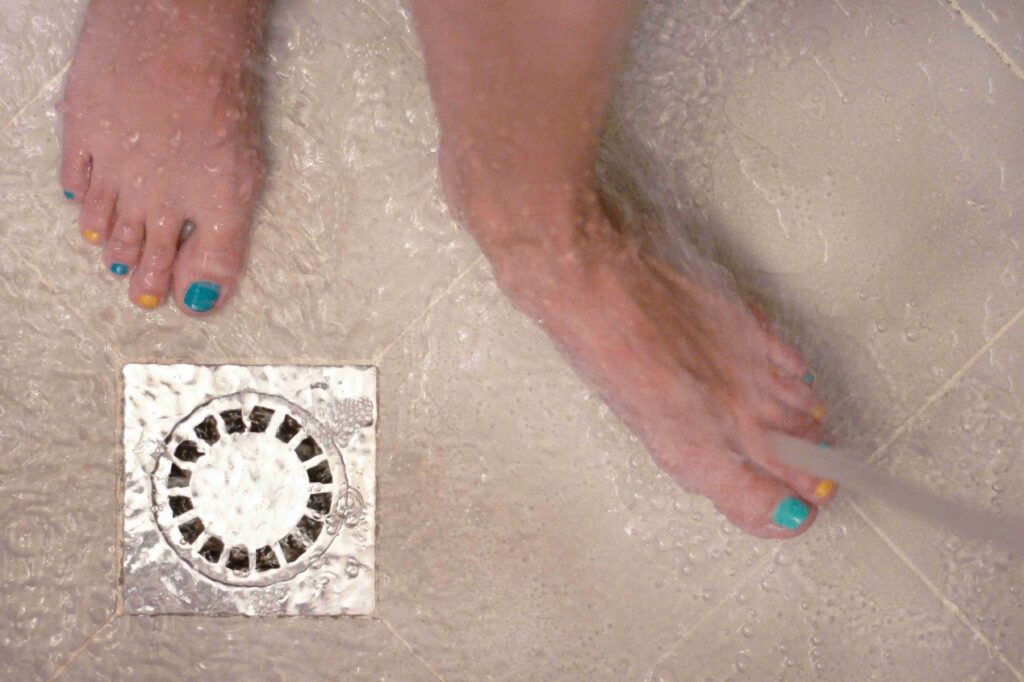
If the drain sits unused for weeks or months, the water in the trap slowly evaporates.
If this is the case, just run water down the drain for about 30 seconds to refill the trap. If it’s a floor drain, pour a cup or two of water directly into it.
Also Read: How Do You Know If You Have A Septic Tank?
Once the trap fills again, the smell usually disappears pretty quickly.
#2. Loose Or Damaged Toilet Seal
Your toilet connects to the drain pipe through something called a wax ring. This ring creates a tight seal between the bottom of the toilet and the plumbing underneath the floor.
If that seal cracks, shifts, or wears out, sewer gas can escape around the base of the toilet.
When that happens, the bathroom may start smelling like the septic tank.
There are a few clues that this could be the problem. The smell might be strongest right near the toilet. Sometimes the toilet may even feel a little loose if you gently rock it. In other cases, you might notice a tiny bit of moisture around the base.
Unfortunately, this fix usually requires removing the toilet and installing a new wax ring.
It’s a common plumbing repair and not overly complicated, but many homeowners prefer to have a plumber handle it.
#3. Clogged Or Dirty Sink Overflow
Take a look inside your bathroom sink and you’ll probably see a small hole near the top edge. That’s the overflow opening.
Its job is to prevent the sink from spilling water onto the floor if the faucet gets left on.
Over time, soap, toothpaste, hair, and other debris can build up inside that overflow channel.
Since it stays damp, bacteria can start growing in there. When that buildup sits long enough, it can create a pretty unpleasant smell.
Cleaning it usually solves the issue.
Here’s a simple cleaning routine can help clear things out:
- Pour hot water into the overflow opening
- Add a little dish soap or vinegar
- Flush it again with more hot water
It doesn’t take long, and the improvement can be immediate.
#4. Bacteria In The Drain
Drains naturally collect all kinds of stuff. Soap residue, hair, shaving cream, toothpaste, and skin oils all end up sliding down the pipe every day.
Over time, that material can form a slimy layer along the inside of the drain.
Bacteria love that environment. As they break down the buildup, they release odors that can smell very similar to sewage.The smell might be strongest right at the sink or shower drain, especially when water starts running.
Warm water can stir up the bacteria and release the odor.
Cleaning the drain often fixes the problem. Many people use baking soda and vinegar followed by hot water. A drain brush can also help remove buildup deeper in the pipe.
Also Read: Is Angel Soft Septic Safe?
#5. Blocked Plumbing Vent
Most homeowners don’t think much about plumbing vents, but they play a big role in keeping your home odor-free.
Plumbing vents run from your drain pipes up through the roof. They allow sewer gases to escape safely outside and help balance air pressure in the plumbing system.
When the vent gets blocked, the system can’t release gas properly. Leaves, debris, bird nests, and even small animals sometimes clog these vents.
Once that happens, sewer gases may get pushed back into the home through drains.
You might notice a few other signs along with the smell.
And drains could start gurgling or draining more slowly than usual.
Clearing the vent usually solves the issue, though accessing the vent pipe sometimes requires getting up on the roof.
#6. Septic Tank Needs Pumping
Sometimes the smell coming from the bathroom really does start at the septic tank.
Septic tanks collect and break down waste from the home. Over time, solid material builds up inside the tank and needs to be removed. That process is called pumping.
If the tank gets too full, the system can struggle to process waste properly. When that happens, odors may start showing up inside the house.
Most homes need septic pumping every three to five years, though the exact timing depends on the size of the tank and the number of people living in the home.
Signs that the tank might be overdue for pumping include:
- Slow drains throughout the house
- Sewage odors inside or outside
- Wet areas around the septic drain field
If it’s been several years since the last service, scheduling a septic pumping appointment can make a big difference.
#7. Cracked Or Loose Drain Pipes
This is the one nobody wants to hear, but sometimes the hardware itself is failing.
A small crack in a drain pipe behind the wall or under the floor can leak sewer gas into the wall cavities, which eventually drifts into the bathroom.
Because these pipes are hidden, you might not see a puddle of water, but the smell will be persistent and won’t go away no matter how much bleach you pour down the sink.
It could be a joint that has come loose or a pipe that has shifted as the house settled, but either way, it’s letting the “bad air” escape where it shouldn’t.
What To Do If There’s Septic Tank Smells In Bathroom
If you’re dealing with a bathroom that smells like the septic tank, the best approach is to start with the simplest possibilities first. Many times the fix takes just a few minutes.
Here are some easy things to check:
- Run water in sinks, tubs, and floor drains to refill P-traps
- Clean sink drains and overflow openings
- Look around the base of the toilet for leaks or movement
If the smell sticks around after those steps, it may be time to look at the plumbing vent, septic tank maintenance schedule, or possible pipe issues.
A plumber can help track down the exact cause if the source isn’t obvious.
Bottom Line
A septic tank smell in the bathroom is usually caused by something small like a dry drain trap, a dirty overflow, or buildup inside the pipes.
Simple fixes like running water in unused drains or cleaning out sink pipes often solve the problem right away.
If the smell keeps coming back, it may point to a worn toilet seal, a blocked plumbing vent, or a septic tank that needs pumping. In those situations, getting a professional to take a look can help restore everything to normal.
Once the underlying issue gets fixed, your bathroom should go right back to smelling clean and fresh again.
Your Service Experts

Virginia Septic is a full-service septic company. We do pump outs, inspections, operations and maintenance, repairs, modifications, and full septic system installations. Virginia Septic has been proudly serving the Virginia area since 2010 and is excited to now be serving all of mid-Atlantic Virginia.
Popular Articles


Locations
Marshall, VA
Hartfield, VA